

Sri Lanka has always been the best preferred international destination for Indian tourists. Short flight times, visa-on-arrival facilities, quite similar cuisine and a heady concoction of beaches, hill stations, and wildlife and ancient culture –all this with little space to move in equals great variety.
However, a question that every Indian traveler planning to visit to this paradise island in the Indian Ocean is: when is the best time to visit Sri Lanka? This question can be difficult to provide a straightforward response to, for many reasons.
Sri Lanka has two distinct monsoons that affect different parts of the island at separate times of the year. That’s why technically; there is no bad time to visit Sri Lanka if you line up your itinerary with the season.
Table of Contents
Understanding Sri Lanka’s Weather Pattern
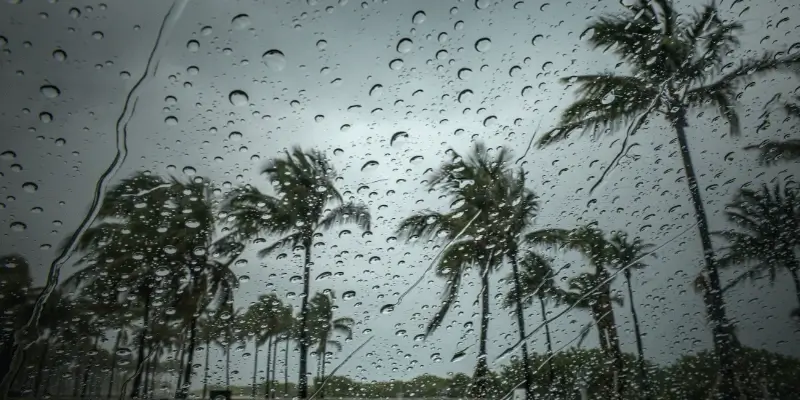
Given Sri Lanka is close to the equator, temperatures tend to be more stable year round. The coast is warm and humid; the interior central highlands are refreshingly cool in the morning and evenings. It’s rainfall that truly varies from one month to the next, fueled by two monsoon systems.
Southwest monsoon (Yala) prevailing in the western and southern climatic zones of the island from May to September. It is generally wetter and the seas are rough in areas like Colombo, Galle, Bentota and Mirissa during this period.
Meanwhile, The Northeast monsoon (Maha) mainly affects the North and East regions between December and February raining in surrounding areas including Trincomalee, Pasikudah Jaffna.
This two-phase monsoon in turn is a hallmark of Sri Lankan weather. When one side of the island is wet, the other side is usually dry and sunny, meaning intrepid travelers can switch coasts.
1.1 December To March: The Most Popular Time For Indian Travellers
December until March for most Indians, are the ‘ideal and easiest’ months to travel to Sri Lanka. This is the time of the year when the southwest coast experiences pleasant weather. It is the time of the year when the weather is favorable to visit the central hill country, including Nuwara Eliya, Ella and Kandy.
You can book holiday package entailing itineraries that combine exploring beaches, tea plantations and cultural sites with wildlife drives. You can also visit colonial streets of Galle Fort sun kissed Mirissa sunset to soak up or a scenic train ride winding between tea estates.
But this is also peak tourist season, meaning pricier hotel rates and bigger crowds especially around Christmas, New Year and Indian school holidays. Those who can’t resist the relentless pressure to spend money in December may find better value in February and early March, when glorious weather lingers but the Christmas crowds have dispersed.
There are, however, two more reasons to plan a visit during this season. Whale and dolphin watching off the south coast, particularly around Mirissa, are generally best from November to March and has proved one of the most popular extensions for nature lovers.
1.2 May To September: Best Time For The East Coast And Summer Travel
When planning a vacation Indian travelers write off Sri Lanka, during the monsoon –May till September but that’s just not right! It’s also possible to have a terrific time, if you pick your spots wisely.
Trincomalee, Pasikudah and Arugam Bay light up in the sun shine and will look crystal clear; it's less teeming with tourists than tourist peak season. The international surfing and well particularly at Arugam Bay is alive. It attracts a laid-back young surfing crowd of surfers and backpackers.
The east coast beaches here are even quieter and less developed than down south for anyone looking for a little peace and space. It’s also the perfect season for Indian families that are only able to take off during summer vacation, as they get to enjoy a beach holiday without interference from December busy-ness. It is cheaper, too, with better hotel deals and lower air flights.
For those who have been to Sri Lanka before, May through September is a great time to experience a completely different side of the island.
1.3 April and October: The Shoulder Seasons
April and October are each a transition month with respect to monsoon cycles. Weather can vary during both months, sun mixed with fast heavy showers.
April is typically warm throughout the island and includes the Sinhalese and Tamil New Year, a major holiday that usually occurs in mid-April. It's a culturally rich time to go, and you might observe local traditions, seasonal foods and village fêtes. Travel during the holidays is hectic, but cultural assimilation does have its benefits.
It was rainy until October, and in the southwest as well, you can already see color turning bright green. Well-educated travelers could be willing to forgo scenery, photography trips, wellness retreats or a lower room price. These are the kind of months when travelers need to be fine with being flexible and adjusting your plans on a daily basis according to the weather.
1.4 Best time to visit Sri Lanka based on travel interests
The “best” time to visit Sri Lanka from India will also depend largely on what you want out of your trip. For those who choose to beach, and travel south or west December to March you are in luck, while the East Coast beach bums still have May through September.
The high season especially, with its drier and more predictable weather, is favoured by honeymooners, while beaches and hill-country hotels thrive during these months. You’re never out of reach of wildlife tours at national parks; but for incorporating a safari and covering both wildlife-viewing and sightseeing very easily, the period from December to March might suit you best.
For those seeking culture, a trip during festival season – the New Year in April or Esala Perahera (which usually takes place in July or August). These celebrations offer a remarkable window into Sri Lankan culture.
Conclusion
If you are planning a holiday to Sri Lanka then December till March is the best time to visit from India. The weather is gorgeous and the roads are relatively empty, with much of what there is to see easy to get to.
Those open to alternative routes and fewer crowds from May to September can make the east coast just as fulfilling. You can visit Sri Lanka any time of the year provided you know which places to visit which time of the year.