

If you’re an Indian traveler planning to visit Sri Lanka, the answer is: yes, Sri Lanka is safe for tourists. It’s near India, easy on the main tourist circuit and tourism is a major component of the economy. On the island, Indians are greeted with warm smiles at hotels, restaurants and attractions.
At the same time, we must be realistic. Of course, there are some inherent risks to know before you jump into booking: occasional protests, small theft situations and road safety (including if you plan on driver yourself), seasonal weather events that may change travel plans. And government travel advisories often note to travelers that they can’t completely brush off the threat of terrorism.
This guide is for Indian travelers planning to take a holiday and going on vacation in Sri Lanka family and couple looking for the best holiday in this beautiful Island.
Table of Contents
Is Sri Lanka a Safe Destination for Indian Tourists?
Yes, Sri Lanka is safe for Indian tourists. There is however precautions you should take. The main issues you should watch out when you visit Sri Lanka are not major issues but small issues like petty thefts or scams and road safety.
If you book decent hotels, use reliable drivers for long drives and stay away from crowds or political protests, the trip generally feels easy and comfortable. The typical tourist circuit—Colombo/Negombo, the south coast, Kandy, Sigiriya and the hill country is well-equipped for tourism and attracts families and couples in high volume.
Be cautious also when you are submitting for a Sri Lanka travels visa as the Indian High Commission has advised of “fake websites charging excessive fees.
In general for most Indian travelers, Sri Lanka is a warm, hassle free international holiday that is even safer and easier with proper planning.
The main risks for tourists and how to reduce them
1.1 Petty theft and tourist scams
Most common problem traveler’s face when they visit Sri Lanka is petty theft in crowded places, bag-snatching in metro streets, scams and losing money through credit card fraud or ATM scam.
Don’t tote valuables on day trips (when you are unlikely to use them), and don’t set phones on café tables near a bustling thoroughfare or keep passports somewhere someone can snatch. If you’re taking a tuk-tuk, agree on the fare upfront, or have your hotel arrange transport.
1.2 Road safety
Its road safety and comfort when booking holiday package is indeed value-adding. There will be crazy or dangerous drivers, the drive can become endless and the road aren’t always what you had hoped for. Some of the best trips are moved to music you trust, by a trusted driver and at an amiable pace than jumping from town to town.
For Indian families in particular, a personal car-and-driver arrangement can mean the difference between “a trip that happens to you” and “a trip you enjoy.”
1.3 Demonstrations and disruptions
Protests in Sri Lanka tend to be in or close to Colombo and those may result, too, in traffic blocks or a general local nuisance.
Don’t get in the middle of a crowd, don’t hang around to film it and move on early. Even a peaceful meeting could spiral out of control fast, and there’s no upside in it for a tourist to be anywhere nearby.
1.4 Weather: Monsoons, floods and disruptions in hill country
The weather is such a major planning factor for Sri Lanka. The monsoon is capable of causing deadly floods and landslides, and roads in the hill country can be cut off in bad weather.
If you are traveling at one of the rainy times of year then it is worth noting which section of coast fits your date best, and if possible remains flexible so a rainstorm doesn’t ruin everything.
Where Indian tourists usually feel most comfortable in Sri Lanka?
The following are some of the places where Indian travellers typically find themselves at ease, feel welcomed and relaxed in Sri Lanka.
1.1 Colombo & Negombo
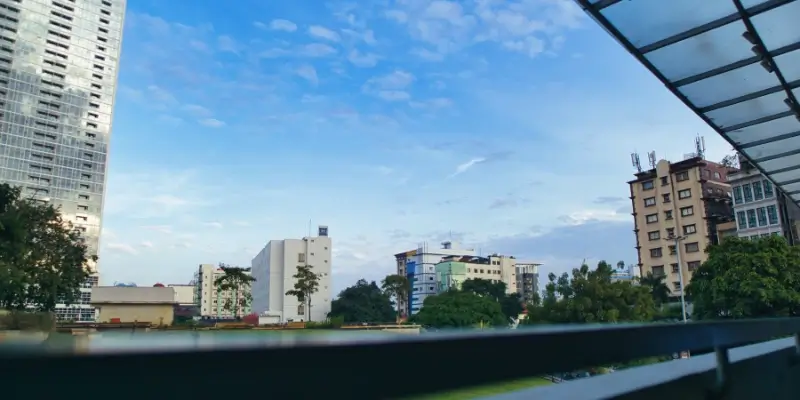
Colombo and the nearby area of Negombo are among the first destinations for Indian tourists coming to Sri Lanka. They boast chummy (if delusionistic) food, good-enough hotels, shopping malls and convenient transportation. These are ideal as gateway cities and for brief stays to get into the country.
1.2 Galle & the South Coast
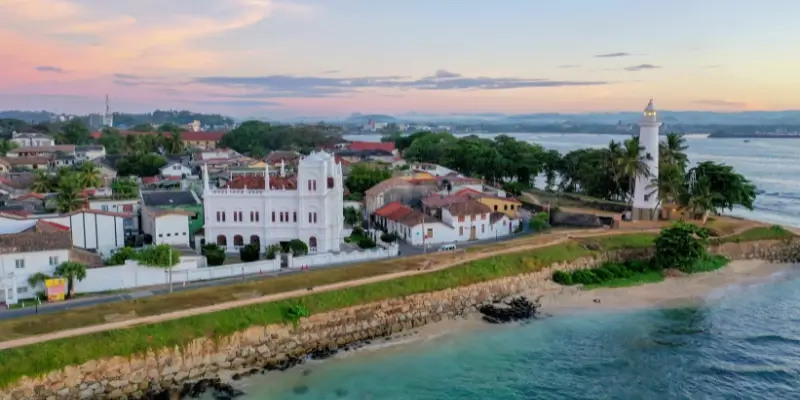
The south coast, from Galle and Unawatuna down to Bentota and Mirissa, is home to chilled-out beaches. The indurated beaches, colonial atmosphere, the beach cafes and sunset views of Galle Fort are what most Indian tourists enjoy. Couples, families and first-time visitors are drawn to the area.
1.3 Ella
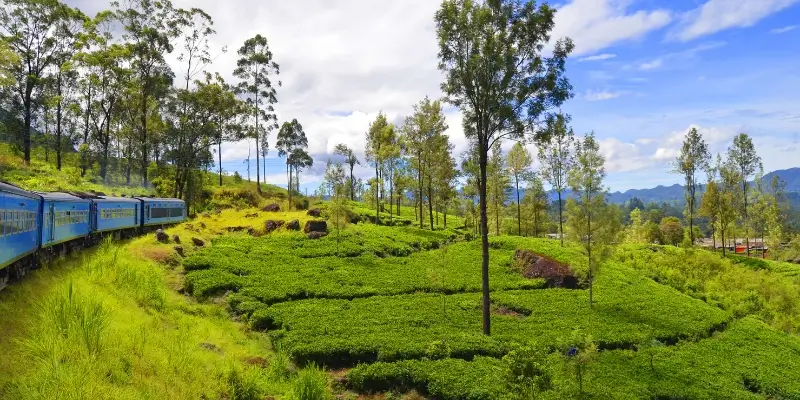
Ella is famous hill destination among indian tourists. It is known for the scenic train, waterfalls and look outs that you can stop by and provides a change of cold with a slower lifestyle. It’s ideal for nature lovers and visitors seeking escape from the coastal heat.
1.4 Nuwara Eliya
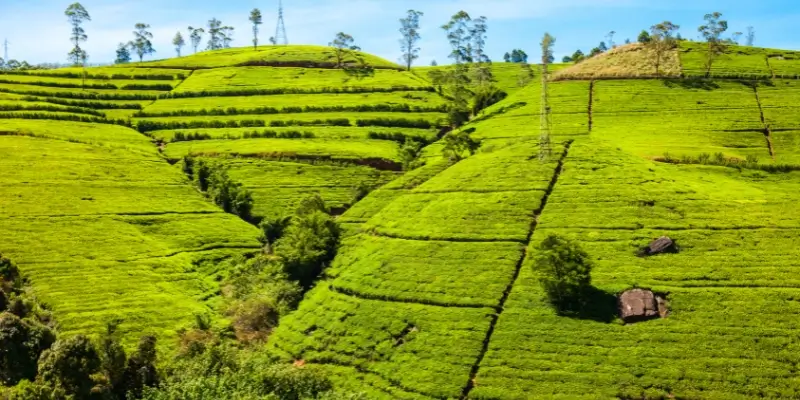
Style called “Little England,” Nuwara Eliya evokes an India of hill stations like Ooty or Munnar, as Gibbs and DuBuque introduced it. Tea plantations, colonial-era buildings and cooler air make it more conducive to lazy tourism. It’s particularly popular among families and honeymooners.
1.5 Kandy & Cultural Triangle
Kandy and the Sigiriya and Dambulla area, in particular, draw Indian tourists keen for history and spirituality. The well-preserved temples, UNESCO world heritage sites and cultures shows are educational experiences. A wildlife safari nearby is also added on to many visits, for an all-encompassing Sri Lankan adventure.
Conclusion
Is it safe for an Indian in Sri Lanka? Sri Lanka is safe to visit and in most parts of the country relatively safe destination that you are going to love exploring especially in some of the touristy areas (Colombo, south coast, hill country and cultural triangle). Transport is easy, the people are friendly.
Having said that, the same caution should always be is taken as if you are travelling anywhere else in the world. Staying abreast of local circumstances, avoiding political meetings or demonstrations, arranging transportation months in advance against all logic and taking weather guidance seriously especially during monsoon season.